It's a common problem that the label on your favorite lipstick has faded. Now you have the perfect color, but you don't know its name.
Before you give up on ever finding it again, flip it over. The secret to identifying that exact shade is likely printed right on the bottom, hidden in plain sight the lipstick barcode or batch code.
Ever wondered what the numbers on makeup mean? Those cryptic codes aren't random.
They are like a secret code. The cashier scans the lipstick barcode. There is also a small batch number that shows when and where it was made.
In retail, this is the standard barcode for cosmetic products, sometimes casually called a makeup barcode.
Learning to tell these codes apart is an easy skill. It helps you find a lost item and check if a product is safe to use.
What's the Difference? UPC vs. Batch Code Explained
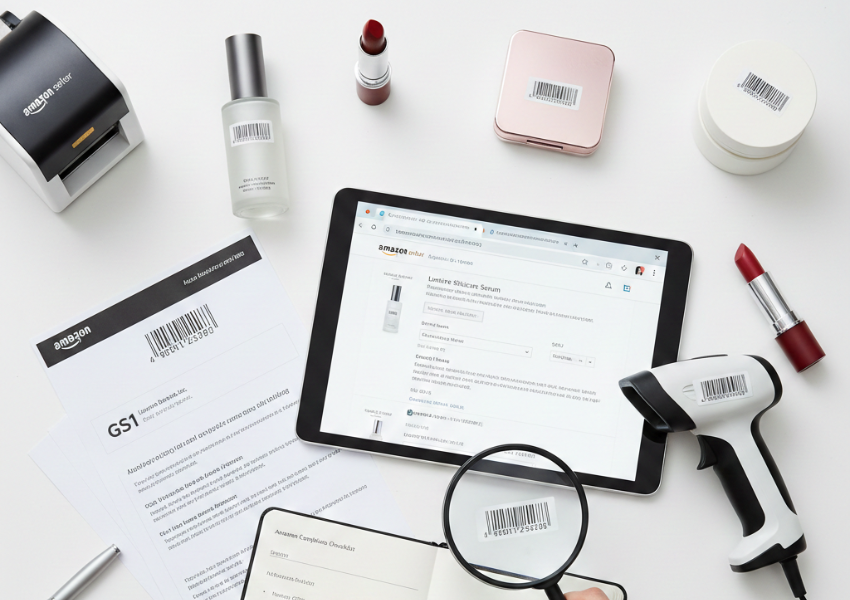
Flip over your lipstick tube and you'll see two very different codes doing two very different jobs. The familiar striped barcode is the product's public identity, a Universal Product Code (UPC). Think of it as the lipstick's unique fingerprint for retailers.
When you scan it at checkout, the store knows you are buying a Revlon Super Lustrous Lipstick in shade 445, Teak Rose. It is not just any lipstick.
This code identifies the exact product used for inventory and sales.
That other, smaller stamp of letters and numbers is the batch code.
This document serves as the product's confidential birth certificate, meant specifically for the manufacturer.
It pinpoints the exact date and location your lipstick was made, which is crucial for tracking freshness and handling safety recalls.
The UPC shows what the product is. The batch code tells you which group it was made in. This helps you check if it is safe and not expired.
How to Find a Lipstick Shade or Dupe Using the UPC Barcode
The GS1 UPC barcode is a powerful detective tool. If the label has rubbed off your favorite lipstick, type the full string of numbers from the UPC directly into a search engine.
This code lookup will usually show the product's official name and color. This helps you buy it again with confidence.
If you don't find many results, try adding terms like "barcode cosmetics" or "barcode for cosmetic products" with the numbers. This may help you find more listings in the database.
Once you have the lipstick's official name, you can start your hunt for a "dupe" a nearly identical shade from a more affordable brand.
If you look up the shade name with "dupe" after it (like "Teak Rose lipstick dupe"), you will see many articles and posts from beauty bloggers that compare products.
This simple search can save you money without sacrificing the color you love.
This trick also works for foundation, concealer, or blush to identify a shade or find a budget-friendly alternative. While the UPC identifies a product for purchase, the batch code holds the secret to its safety.
Is Your Lipstick Expired? Check Its Freshness with the Batch Code
While the UPC identifies the product, the batch code tells its life story. This short string of letters and numbers reveals when and where the lipstick was made, answering the question: "Is this still good?" You don't need to be a cryptographer; just use a free cosmetic batch code lookup website. These sites maintain huge databases from hundreds of brands.
Some popular batch code checker websites include:
- CheckFresh.com
- CosmeticsCalculator.net
- Beautykee
Simply select the brand, enter the code, and the site will translate it into a manufacturing date. However, this is only half the story.
You need the Period After Opening (PAO) symbol on the package. It looks like a small open jar with a number and an "M" next to it (for example, "12M").
This shows the number of months the product remains safe to use after it is opened. A lipstick is generally good for 12 to 24 months once opened.
So, which date matters more? Both. A lipstick manufactured three years ago is old, even if you just opened it. Conversely, if you opened a fresh lipstick two years ago and its PAO is only "12M," it's time to toss it. This two-step check ensures what you're putting on your lips is both fresh and safe.
The Best Apps That Scan and Decode Makeup Barcodes
If manually typing codes feels like a chore, your phone's camera can be the ultimate beauty assistant.
Apps like Think Dirty or Yuka help you check lipstick ingredients. You can scan the barcode to see what's in it. The app gives a rating and highlights any ingredients that might be a problem.
Retail apps like Sephora and Ulta let you scan a product's barcode. This helps you see user reviews, customer photos, and price details.
You can get quick feedback in real life. Some apps let you try on colors virtually to see how they look on you.
Finally, personal inventory apps can help you manage your collection. Scan your products to log them and track their expiration dates. By combining the batch code manufacturing date with the PAO symbol, these apps take the guesswork out of your next makeup bag cleanout.
From Confusing Codes to Savvy Consumer
That jumble of numbers on your favorite lipstick is no longer a mystery. Where you once saw confusing codes, you now have two distinct tools at your command. You've gained the skill to decode any makeup barcode, turning packaging noise into valuable information.
With this information, you can always find your favorite color by using its UPC. You can also keep yourself safe by checking a product's freshness with its batch code.
Your turn. Grab the oldest lipstick in your makeup bag and use a batch code checker to find its manufacturing date.
That small tube of color is more than just makeup; it's now a story you can understand.
Frequently Asked Questions:
Question: What’s the difference between a UPC and a batch code on lipstick?
Short answer: The UPC (the striped barcode) is the product’s public ID used by retailers. It tells the store exactly which product and shade you’re buying. The batch code (a short stamped mix of letters/numbers) is the manufacturer’s internal “birth certificate” that reveals when and where the item was made, helping with freshness checks and safety recalls.
Question: How can I find my lipstick’s exact shade or a dupe if the label rubbed off?
Short answer: Type the full UPC number into a search engine to reveal the product’s official name and color. If results are limited, add terms like “barcode cosmetics” or “barcode for cosmetic products.” Once you have the official shade name, search “[shade name] dupe” to find near matches from more affordable brands. This works for foundation, concealer, and blush too.
Question: How do I check if my lipstick is expired or still safe to use?
Short answer: Look up the batch code on a free site like CheckFresh.com, CosmeticsCalculator.net, or Beautykee to get the manufacturing date. Then combine that with the PAO symbol on the packaging (e.g., 12M) to see how long it’s safe after opening. Lipstick is generally good for 12–24 months once opened. Remember, a very old manufacturing date or a PAO you’ve exceeded means it’s time to toss.
Question: Which date matters more, the manufacturing date or the PAO?
Short answer: Both. A lipstick made long ago can be too old even if you just opened it, and a recently made lipstick that’s been open past its PAO is also past its best. Use the batch code for the made on date and the PAO for time after-opening to make the final call.
Question: Can apps scan and decode makeup barcodes for me?
Short answer: Yes. Ingredient apps like Think Dirty and Yuka scan UPCs to show what’s inside and flag potential concerns. Retail apps from Sephora and Ulta scan for reviews, photos, and prices and some offer virtual try-on. Personal inventory apps let you log products and track expiration by combining the batch-code date with the PAO, simplifying cleanouts.