How to Purchase Barcodes for Amazon Sellers Complete Guide

Admin Mar 28, 2026 0 min read 72 views

Navigating the world of Amazon selling can be complex. One crucial aspect is understanding barcodes. Barcodes are essential for listing products on Amazon.

They help in tracking inventory and managing sales. Without them, selling on Amazon becomes challenging. But how do you get these barcodes?

Amazon sellers often need UPC or EAN codes. These codes are vital for product identification. They ensure each product is unique in the marketplace.

Purchasing barcodes might seem daunting. Many sellers are unsure where to start. The process involves choosing between GS1 and third-party providers.

GS1 is a global standard for barcodes. It offers authenticity and recognition. However, third-party providers can be more affordable.

This guide will help you make informed decisions. We'll explore the best places to buy barcodes. You'll learn about the cheapest options available.

Understanding the importance of barcodes is key. They impact your product's visibility and sales. Let's dive into the world of barcodes for Amazon sellers.

Understanding Barcodes: UPC, EAN, and GTIN Explained

Barcodes might seem straightforward, but there's much to learn about them. Different types serve distinct purposes. For Amazon sellers, understanding UPC, EAN, and GTIN is crucial.

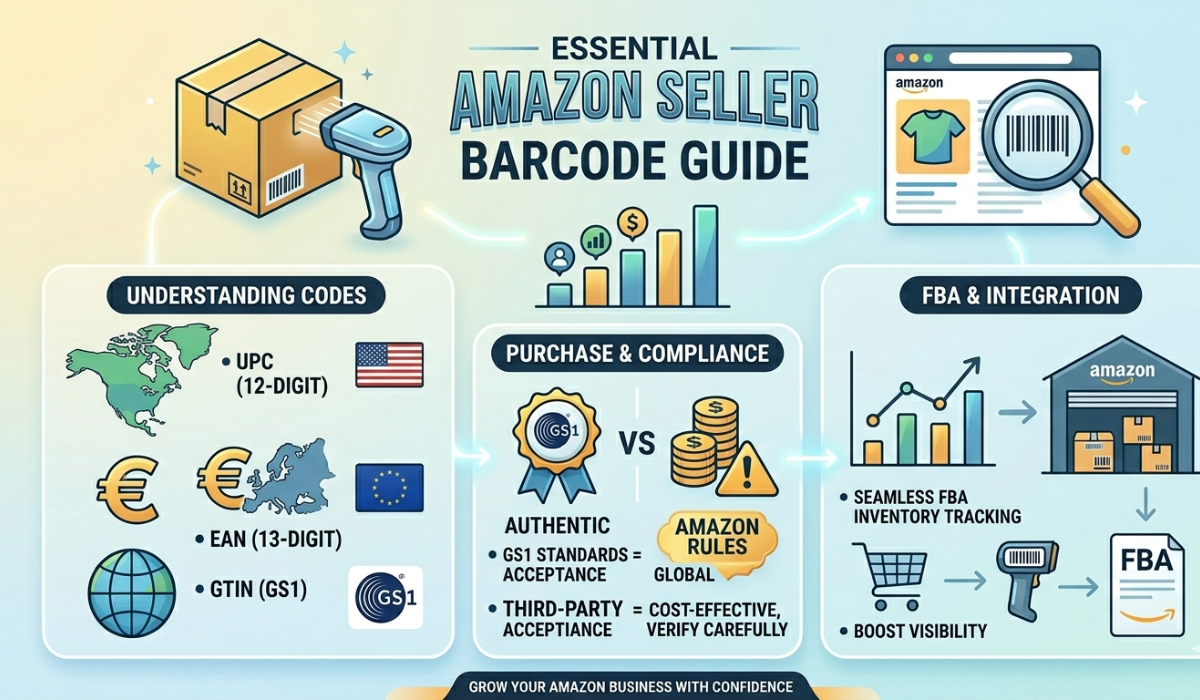
UPCs (Universal Product Codes) are most common in North America. They consist of 12 numeric digits. This type is used widely on Amazon and in U.S. retail stores.

EANs (European Article Numbers) are similar but used primarily outside North America. These barcodes have 13 numeric digits. They’re essential for international sellers.

GTINs (Global Trade Item Numbers) encompass both UPC and EAN codes. GTIN is a global standard managed by GS1. It ensures each product has a unique identifier.

Understanding these codes helps sellers make informed decisions. Choosing the right type depends on your market. For example, sellers targeting Europe should prioritize EANs.

Here's a quick breakdown of each code:

  • UPC: 12-digit, used mainly in North America.
  • EAN: 13-digit, preferred outside North America.
  • GTIN: Umbrella term for UPC and EAN codes.

These barcodes do more than identify products. They enable efficient inventory management. With them, tracking sales and stock becomes seamless.

Moreover, using the correct barcode type enhances product visibility. Customers can easily find your items on Amazon. Understanding the nuances of these codes ensures compliance with Amazon's rules.

Learning these basics can significantly impact your selling strategy. Choose the right barcode to support your business. Proper usage ensures your products meet global standards.

Why Amazon Sellers Need Barcodes

Barcodes are essential for Amazon sellers for a variety of reasons. They serve as unique identifiers for products, ensuring accurate inventory management.

Without barcodes, keeping track of stock becomes a logistical challenge. Barcodes simplify the tracking and selling process. They allow sellers to manage many products seamlessly.

For Amazon's system, barcodes are critical. They help match product listings to stored inventory. This link is fundamental for smooth sales transactions.

Moreover, barcodes enhance product visibility on Amazon's marketplace. They help automate sales and inventory updates. As a result, sellers can focus on scaling their businesses.

Consider these advantages of using barcodes:

  • Inventory Management: Precise tracking of stock levels.
  • Sales Automation: Faster checkout and order processing.
  • Reduced Errors: Minimized mistakes in product identification.
  • Increased Visibility: Better searchability and listing accuracy.
  • Compliance with Amazon: Meeting platform requirements effortlessly.

Barcodes are not just for logistics; they play a role in marketing, too. Unique codes for each product variation can boost credibility. Products appear more organized and professional to potential buyers.

Ultimately, barcodes are indispensable for serious Amazon sellers. They are fundamental tools that support growth and efficiency. Investing in proper barcoding can lead to significant business benefits.

Amazon’s Barcode Requirements: What You Must Know

Understanding Amazon barcode requirements is crucial for your business. Compliance ensures smoother listing and selling on the platform. Each product on Amazon must have a unique barcode.

Barcodes can be in the form of UPC, EAN, or ISBN numbers. The chosen barcode must align with Amazon's global selling standards. Non-compliance can lead to listing issues or product removal.

Amazon requires GS1-issued barcodes for authenticity. They prefer original codes tied to a product's manufacturer. Third-party barcodes may cause problems if they don't meet these standards.

When listing products, correct barcode formatting is critical. Make sure to input the code accurately in the Amazon system. Any errors can result in listing rejections or sales disruptions.

Here are some key barcode requirements for Amazon sellers:

  • Uniqueness: Each product and variation needs a distinct code.
  • Authenticity: Use GS1-registered codes to avoid conflicts.
  • Compatibility: Ensure the barcode type suits your product category.
  • Accuracy: Double-check barcode entries for error-free listings.

Remember, Amazon sometimes checks for code validity. A mismatch between your barcode and product can lead to compliance issues. It's important to keep all barcodes updated and aligned with product listings.

Staying informed about Amazon's guidelines helps prevent common pitfalls. Regularly review any updates to their policies on barcodes. By doing so, you ensure your business operates without hiccups on the platform.

GS1 and Third-Party Barcode Providers: What’s the Difference?

When buying barcodes, the choice between GS1 and third-party providers is significant. GS1 is the official global standards organization for barcodes. It’s known for providing unique and valid UPC and EAN codes.

Purchasing directly from GS1 means you get authentic codes. These are universally recognized and trusted by Amazon. They carry a prefix that ties them to your brand or company.

However, GS1 registration can be expensive. There’s usually an upfront cost plus an annual renewal fee. This might be a challenge for new or small-scale sellers.

Third-party providers offer a cheaper alternative. They resell unused GS1 codes, often at a lower cost. This allows sellers to skip the direct GS1 registration fees.

Despite their affordability, third-party barcodes come with risks. Not all providers offer genuine GS1 codes. Some may sell previously used or invalid codes, which can lead to Amazon compliance issues.

When evaluating barcode providers, consider these points:

  • Authentication: Confirm if the provider sells authentic GS1 codes.
  • Cost: Compare initial costs and any recurring fees.
  • Reputation: Check reviews and testimonials for provider credibility.

Before buying, assess your business needs. Direct GS1 codes are best for long-term authenticity. If cost is a constraint, reputable third-party providers might suffice.

Here are some potential downsides to consider with third-party providers:

  • Quality Assurance: Risk of receiving non-compliant or duplicated codes.
  • Support: May lack the customer service of GS1.
  • Vetting: Provider’s legitimacy can be hard to confirm.

Ultimately, the choice depends on your budget and long-term plans. Authentic codes build trust with customers and marketplaces. While budget-friendly options exist, they come with trade-offs in reliability.

The decision impacts how smoothly your products can list and sell on Amazon, so choose wisely. Always weigh cost against potential operational hiccups when making this important business decision.

Step-by-Step Guide: How to Buy Barcodes for Amazon

Purchasing barcodes for Amazon doesn’t have to be daunting. Follow this simple guide to ensure you acquire the right codes for your products.

Step 1: Determine Your Needs

Identify how many barcodes you need. Each product variation, such as size or color, requires a unique code. Accurate planning helps avoid unnecessary purchases.

Step 2: Choose Your Provider

Decide between purchasing directly from GS1 or a third-party provider. GS1 offers authenticity, while third-party options are often more affordable. Weigh your budget against the need for validated codes.

Step 3: Register with Gs1upc.net (if applicable)

If choosing Gs1upc.net, start by registering on their website. This process involves filling out a business information form and paying an initial fee. Registration grants access to their database for code issuance.

Step 4: Purchase Codes

For third-party providers, visit their websites to buy the necessary number of codes. Ensure they’re legitimate, and read customer reviews to confirm authenticity. Avoid providers with negative feedback about false codes.

Step 5: Receive and Verify Codes

Once purchased, you’ll receive your UPC or EAN codes. Double-check the codes’ legitimacy via barcode lookup tools online. This validation prevents future listing issues on Amazon.

Step 6: Assign Codes to Products

Each product variation must have a distinct barcode. Match each code to a specific item by recording it in a product catalog or spreadsheet. This catalog serves as a reference during the listing process.

Step 7: List Products on Amazon

Log in to your Amazon Seller Central account. Enter the assigned barcode for each product while creating new listings. Amazon will validate the codes, making them ready for sales.

Step 8: Monitor Your Listings

After listing, monitor your products to ensure everything runs smoothly. If issues arise, verify the codes with Amazon support or the barcode provider. Keeping an eye on listings helps quickly address any barcode-related challenges.

When navigating this process, keep these tips in mind:

  • Stay Organized: Maintain detailed records of codes assigned to each product.
  • Seek Support: Contact Amazon or the provider if you experience issues.
  • Remain Vigilant: Regularly check for barcode authenticity to prevent future problems.

Following these steps makes barcode acquisition for Amazon manageable and stress-free. Properly managed barcodes help optimize your inventory control and enhance the selling process.

Top 5 Companies for EAN and UPC Barcode Purchase (With Price Comparison)

Finding the right place to buy your barcodes can be challenging. Various options exist, but picking one can be tricky due to cost and authenticity. We’ve compiled a list of top companies to help you make an informed decision.

1. GS1

GS1 is the official source for authentic barcodes. They offer a trustworthy service with global recognition. However, their pricing can be steep for small businesses due to licensing fees and annual renewals.

Pros:

  • Ensures Amazon compliance
  • Global recognition

Cons:

  • Higher cost
  • Annual fees

2. GS1UPC.Net

Gs1upc provides affordable solutions. They sell both UPC and EAN codes with no annual fees. Their service is popular among small to medium businesses seeking budget-friendly options.

Pros:

  • One-time purchase
  • Competitive pricing

Cons:

  • Not directly GS1-authenticated
  • Limited customer service

3. Nationwide Barcode

Nationwide Barcode is known for its user-friendly platform. They promise quick delivery of codes and competitive prices. Their bulk purchase options suit businesses with large inventories.

Pros:

  • Bulk discounts
  • Fast processing

Cons:

  • Requires careful verification for Amazon
  • No free code verification

4. UPC Code Agency

UPC Code Agency specializes in providing barcodes specifically for Amazon. They offer real-time support to answer all purchase queries. Despite their niche, their prices remain reasonable for most sellers.

Pros:

  • Specializes in Amazon needs
  • Real-time customer support

Cons:

  • Limited to UPC codes
  • Few added services

5. Barcode Mania

Barcode Mania caters to startups and new sellers by offering low-cost barcodes. They feature sales and discounts regularly. While cost-effective, their codes might need additional verification for seamless Amazon listing.

Pros:

  • Economical for small businesses
  • Regular discounts

Cons:

  • Possibly requires manual code verification
  • Less known brand

Price Comparison

When choosing a provider, cost is a key factor. Below is a quick comparison of pricing:

  • GS1: Starts at $250 initially plus annual fees.
  • Speedy Barcodes: $5 for a single UPC, bulk discounts available.
  • Nationwide Barcode: Offers packs, starting $12.99 for 10 UPCs.
  • UPC Code Agency: Packages start at $10 per UPC.
  • Barcode Mania: Single UPC for $7, with bulk savings.

Choosing between these providers involves weighing price, authenticity, and service. GS1 provides the gold standard but at a cost, while third-party providers offer cheaper options with varying reliability.

Factors to Consider

  • Business Size: Large volumes may benefit from GS1’s global reach, while small businesses can opt for cheaper alternatives.
  • Amazon Compliance: Double-check any non-GS1 codes to ensure compatibility with Amazon's systems.
  • Customer Service: Evaluate providers based on responsiveness, especially if you’re new to barcode purchases.

Research each company to find the right fit. Barcodes are vital for operations; make sure you invest wisely to avoid future complications.

Cheapest Ways to Buy GTIN Codes Online

For Amazon sellers on a budget, finding affordable GTIN codes is crucial. GTIN codes are essential for listing products and tracking sales. However, their cost can add up quickly.

Several online platforms offer cost-effective GTIN purchases. It's essential to balance affordability with reliability. Some sellers prioritize low prices, while others focus on authenticity and compatibility.

Affordable Options for Buying GTIN Codes:

  • Online Marketplaces: Websites like eBay or secondary marketplaces often provide GTIN codes at lower prices. However, verification is necessary.
  • Third-Party Providers: Many companies, such as Speedy Barcodes, offer legitimate codes at a fraction of the price. Be sure to check their reputation and reviews.
  • Bulk Purchases: Buying in bulk from barcode suppliers can save money. Companies like Nationwide Barcode often provide significant discounts for bulk purchases.

While seeking cheaper options, consider the long-term implications. Authenticity is key to avoid future issues with Amazon's platform. Codes from unauthorized sources may lead to listing removal or suspensions.

It's also wise to evaluate your business needs before purchasing. Consider how many barcodes you need, and whether you expect growth that will increase this number. The initial savings from cheaper codes can sometimes lead to additional costs if they fail to meet Amazon's standards.

Choosing the right source for GTIN codes involves due diligence. Research and careful planning can ensure your business remains compliant and operates smoothly on Amazon.

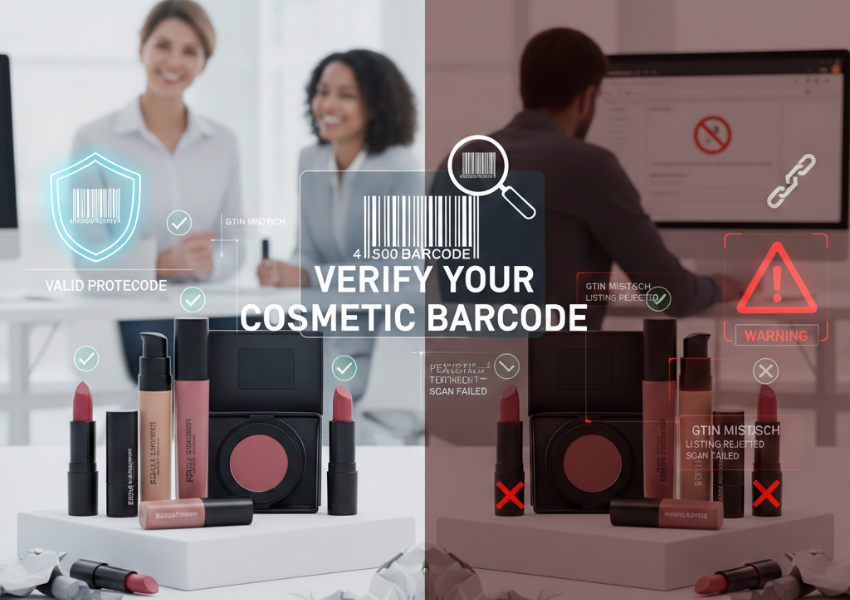
How to Verify Barcode Authenticity and Avoid Scams

Verifying barcode authenticity is critical for Amazon sellers. Genuine barcodes ensure compliance and prevent listing issues. Unfortunately, scams are prevalent, making vigilance essential.

Start by checking the barcode source. Always ensure that the provider is reputable and well-reviewed by other sellers. Established companies are more likely to offer legitimate codes.

Consider using barcode verification tools. These tools help confirm whether a code is valid and registered with GS1. Although many tools are free, some offer premium features for added assurance.

Steps to Verify Barcode Authenticity:

  1. Check Provider Reputation: Look for reviews and ratings from other users. Reliable providers will have positive feedback.
  2. Use Verification Tools: Tools like Barcodes Talk can confirm barcode legitimacy.
  3. Request GS1 Certification: Authentic codes should come with GS1 documentation.
  4. Contact GS1 Directly: Reach out to GS1 if in doubt about a barcode's validity.

Be cautious of significantly underpriced offers. While saving money is tempting, very low prices may indicate fraud. Cheap codes might not be GS1 certified, leading to Amazon removing listings or other repercussions.

By taking these precautions, sellers can avoid scams and maintain smooth operations on Amazon. This ensures product listings are compliant, secure, and ready for sale. Trustworthy barcodes help protect your business and build consumer confidence.

Integrating Barcodes into Your Amazon Product Listings

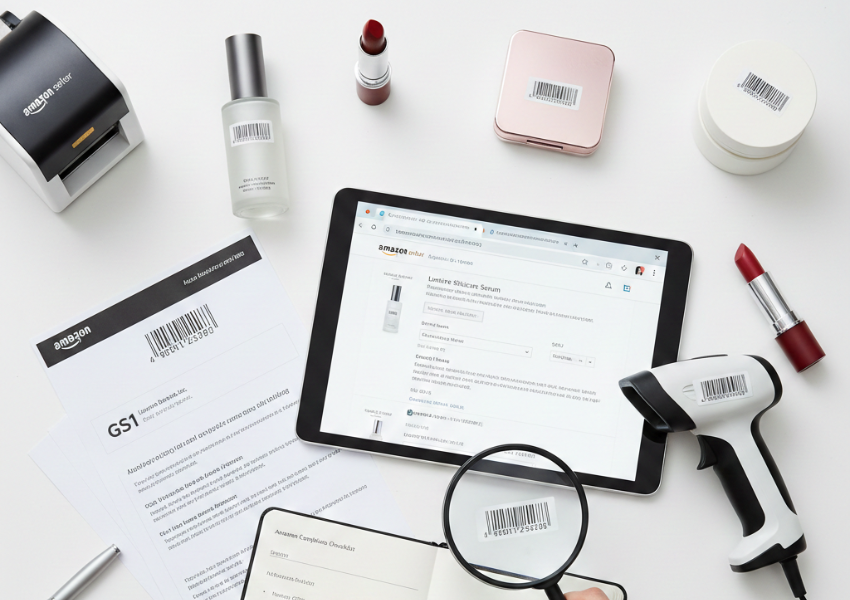
After obtaining your barcodes, the next step is integrating them into your Amazon listings. This process is crucial for inventory management and sales tracking.

Begin by accessing your Amazon Seller Central account. Navigate to the "Manage Inventory" section to update your product listings. Each product variation should have its unique barcode entered into the appropriate field.

Ensure the barcode is entered accurately. A single digit mistake can lead to product misidentification. This error can disrupt your selling process and confuse inventory records.

Steps for Barcode Integration:

  • Select the Product: From "Manage Inventory," click on the product you want to update.
  • Enter the UPC/EAN: Input the correct barcode number in the "Product ID" field.
  • Save Changes: Ensure all entries are accurate before saving.

Verify that the barcodes are scannable and comply with Amazon's standards. Non-scannable codes can cause listing issues and hinder customer purchases. Consider testing the barcodes using a smartphone or dedicated barcode scanner.

Finally, review your listings for completeness and accuracy. Double-check that all variations of a product have the correct corresponding barcodes. Keeping your product listings updated and accurate helps streamline the selling process and avoids potential complications with Amazon's system.

Common Mistakes to Avoid When Buying Barcodes for Amazon

Buying barcodes for your Amazon products can be straightforward, but sellers often make mistakes. These errors can lead to serious issues, including listing removal.

One frequent error is purchasing from unauthorized providers. Always choose reputable vendors to ensure authenticity. Fake or duplicate barcodes can result in penalties.

Another common mistake is not understanding Amazon's specific barcode requirements. Different product categories may have varying needs. Always verify you’re using the correct barcode type for your category.

Sellers often underestimate the number of barcodes needed. Each variation, like size or color, requires a unique barcode. Miscalculating can lead to stock management headaches.

To avoid these pitfalls:

  • Research Thoroughly: Know your category requirements.
  • Buy from Reputable Sources: Check vendor reviews.
  • Order Enough Barcodes: Consider all product variations.

By being mindful of these common mistakes, you can streamline your barcode purchasing. Ensuring compliance with Amazon's guidelines will protect and enhance your business operations.

Barcodes and Amazon FBA: What Sellers Should Know

Amazon's Fulfillment by Amazon (FBA) program requires specific barcode management. Proper use of barcodes ensures smooth integration into this service. Understanding these requirements is crucial.

Each product sent to an Amazon fulfillment center needs a scannable barcode. This step is vital for inventory tracking and efficient order processing. A clear and correct barcode reduces delays and errors.

Amazon prefers GS1-compliant barcodes. If your products lack these, Amazon may relabel them, possibly with extra charges. This situation can be avoided by ensuring your codes meet their standards from the outset.

Barcodes also impact product visibility. They play a role in Amazon's sorting and categorization system. Proper code use can help improve listing accuracy, leading to potential increases in sales.

For sellers using FBA, adhering to barcode guidelines is essential. Here's what to remember:

  • Ensure GS1 Compliance: Avoid unnecessary relabeling.
  • Double-Check Barcode Placement: Ensure scan accessibility.
  • Stay Informed on Amazon's Policies: Requirements can change.

By following these guidelines, sellers can optimize their use of barcodes within the FBA framework. This improves inventory accuracy and enhances overall customer satisfaction.

Barcodes for International and Multi-Channel Selling

Expanding your business across borders offers many opportunities. However, this also brings challenges, particularly with barcodes. Different regions may require specific types of barcodes.

For international markets, ensuring your barcodes are globally accepted is crucial. UPC and EAN codes are the most commonly used worldwide. Choosing the right type helps avoid compatibility issues.

Selling across multiple channels also demands barcode consistency. Whether it's in retail stores or online platforms, consistency ensures smooth operations. It minimizes risks of mismatches and listing errors.

When managing barcodes for international and multi-channel sales, keep these considerations in mind:

  • Research Barcode Requirements: Each region and platform might have unique needs.
  • Maintain Consistency Across Platforms: Use the same barcode for identical products.
  • Verify Global Acceptance: Ensure the codes work in all target markets.

Understanding and implementing these strategies will make your expansion efforts smoother. This approach helps maintain accuracy and efficiency, irrespective of where or how you sell your products. In turn, this strengthens your brand's global reach and reliability.

Case Studies: Successful Amazon Sellers and Barcode Strategies

Learning from successful sellers can provide valuable insights into effective barcode strategies. Many sellers have used barcodes to boost their efficiency and sales.

One inspiring case is Sarah, a small business owner who sells handmade candles on Amazon. She discovered that using GS1 barcodes increased her product visibility. This decision helped build customer trust and led to a 30% increase in her sales within six months.

Another example is Tom, who deals with electronics. He initially struggled with incorrect barcodes, which resulted in listing errors. By switching to authentic barcodes from a reputable provider, he resolved these issues and experienced smoother inventory management.

Lastly, consider Liam, a fashion retailer. He opted for bulk barcode purchasing to manage his large inventory. This move was cost-effective and streamlined his listing process on Amazon and other platforms.

These cases highlight key strategies successful sellers often use:

  • Use Authentic Barcodes: Ensure legitimacy to avoid listing problems.
  • Consider Bulk Purchases: Save costs when managing large inventories.
  • Maintain Barcode Consistency: Enhance trust and visibility with uniformity.

By applying these insights, sellers can optimize their barcode strategy and drive their business success. Each of these examples demonstrates the importance of choosing the right approach to barcodes for long-term gains.

Frequently Asked Questions About Amazon Barcodes

Navigating barcode requirements can be complex. Here are some common questions Amazon sellers ask.

Why do I need barcodes for Amazon?

Barcodes help identify products and manage inventory. They ensure each item is listed correctly on Amazon.

What’s the difference between a UPC and an EAN?

UPC stands for Universal Product Code, mainly used in the U.S. EAN, the European Article Number, is used internationally.

Can I use any barcode provider for Amazon?

No, using GS1 barcodes is recommended to prevent issues with product listings and compliance.

What happens if I use non-GS1 barcodes?

You may face listing errors or compliance issues. Authenticity and unique identifiers are crucial for Amazon’s system.

How many barcodes do I need?

You need one barcode for each product variation, such as different sizes or colors.

Can I reuse a barcode for a different product?

No, each product requires a unique barcode to prevent inventory and listing errors.

What if my barcode doesn’t work on Amazon?

Ensure it’s accurately input and compatible. Contact Amazon support if issues persist.

Where can I check barcode authenticity?

Authentic barcodes are registered with GS1. Verify through their database or your provider's confirmation.

Do I need barcodes for non-FBA (Fulfilled by Amazon) products?

Yes, barcodes help manage listings and inventory for all Amazon sales types.

How can I update a product’s barcode on Amazon?

Use Amazon Seller Central to edit product details. Ensure accuracy to maintain listing stability.

By understanding these FAQs, sellers can confidently use barcodes to enhance their Amazon business operations.

Conclusion: Choosing the Best Barcode Solution for Your Amazon Business

Finding the right barcode provider is crucial for a seamless Amazon selling experience. Consider both cost and quality when making your choice. GS1 is the global standard but can be more expensive. However, it ensures compatibility and authenticity.

Evaluate your business needs before deciding. Think about the number of products and variations you sell. Assessing your long-term strategy will help in choosing between GS1 and third-party options.

Remember, compliance and accuracy are key. Avoiding listing errors and protecting your brand should be top priorities. The right barcodes not only smooth operations but enhance customer confidence and trust.

Here are steps to guide your decision:

  • Assess the number of barcodes needed.
  • Compare GS1 with trusted third-party providers.
  • Consider both upfront costs and long-term benefits.
  • Ensure the provider offers authentic and unique codes.
  • Plan for future expansion and potential barcode needs.

Choosing the best barcode solution is an investment in your business’s success and sustainability on Amazon. Prioritize authenticity and compliance to secure your products' place on the platform.